

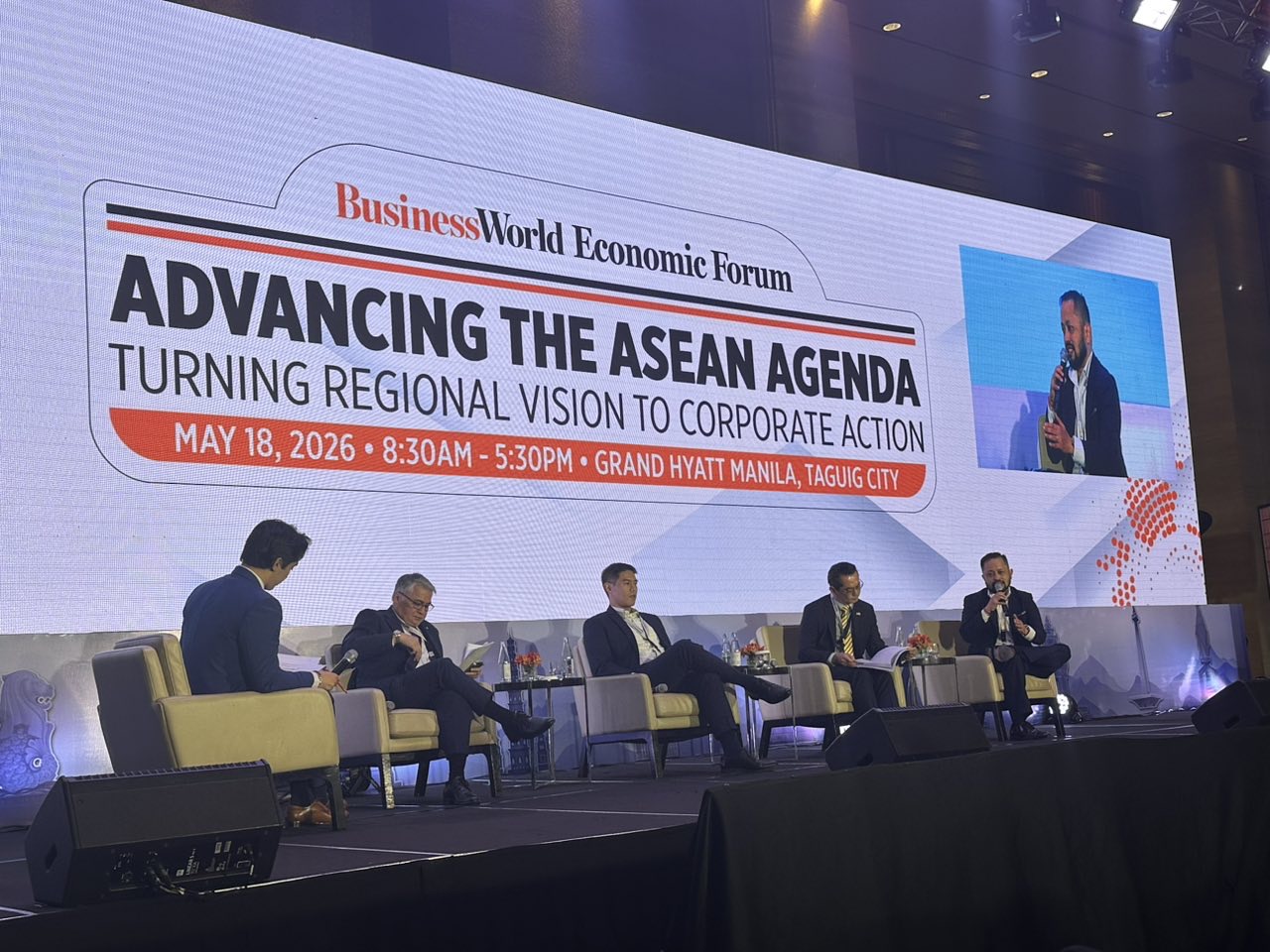
Last May 18, 2026, the BusinessWorld Economic Forum 2026 brought together policy makers, business leaders and industry stakeholders to discuss the Philippine’s evolving role in regional economy as the country assumes the ASEAN chairmanship in 2026.
Anchored on the theme “Advancing the ASEAN Agenda: Turning Regional Vision to Corporate Action,” the forum highlighted the opportunities and challenges facing businesses amid shifting global trade dynamics, sustainability demands and regional integration efforts. It emphasized the importance of stronger collaboration between government and the private sector in translating business ideas into actionable strategies.
One of the highlights of the forum was the panel discussion titled “Bringing MSMEs to the Global Marketplace,” which examined how micro, small and medium enterprises can expand their reach beyond local markets through financial inclusion, digitalization, logistics integration and regional partnerships.
Making Global Trade More Accessible for MSMEs
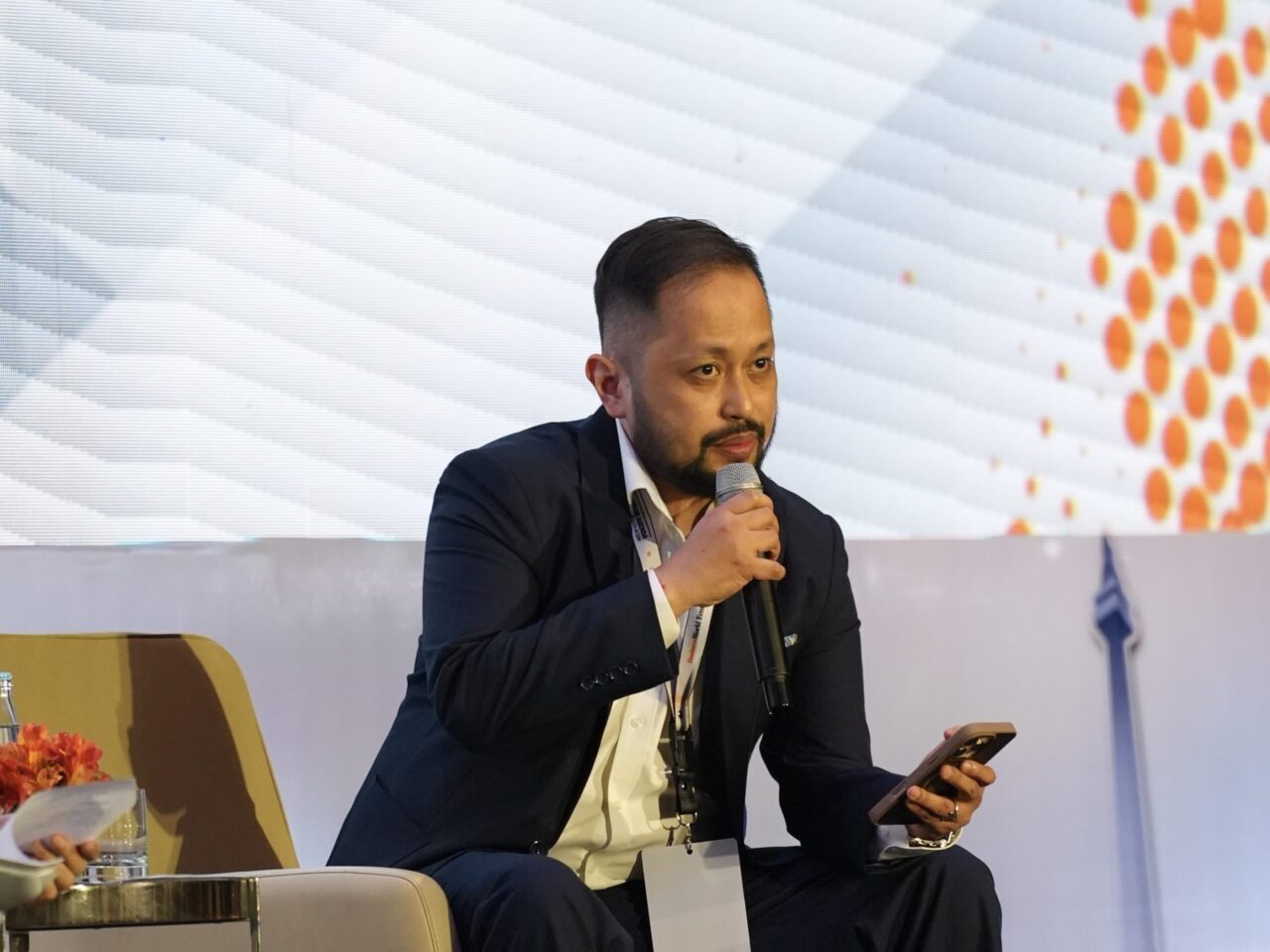
Representing AC Logistics, Chief Commercial Officer Jayford Anthony Pelaez (Ford) joined the panel to share expert insights on the role of supply chain and logistics as an economic enabler in supporting MSME growth and international expansion. During the discussion, he emphasized the importance of reducing operational barriers and creating more accessible pathways for local businesses to participate in regional and global trade.
“Not every MSME needs to become a large corporation immediately, but every MSME should have the opportunity to plug into systems that allow them to compete fairly, reliably and confidently in the global marketplace.”
Shared Logistics Models for Sustainable Growth
He underscored how shared logistics models and integrated supply chain solutions can help MSMEs through consolidation services, multi-user warehousing, and shared distribution networks. Through this initiative, smaller businesses can access capabilities traditionally available only to larger enterprises without the need to invest heavily in their own warehouses and fleets.
Ford also emphasized that in today’s global trade environment, predictability and reliability matter just as much as cost. As international trade can often appear complex and intimidating due to documentation requirements, customs process, freight costs and inventory management challenges, many MSMEs hesitate to enter the global marketplace despite their strong potential.
“Global buyers today expect reliability. They expect visibility, consistency, and confidence that products will arrive on time and in full. The good news is that MSMEs do not need to solve these challenges alone.”
The panel highlighted that while there are existing support mechanisms and government agencies assigned to help MSMEs participate in exporting and cross-border trade, greater awareness and accessibility are needed for businesses to fully maximize these opportunities. With the right partnerships and support ecosystems, MSMEs can become key contributors to economic growth not only in the Philippines but across the region.

©2026
Ayala Group of Companies
All Rights Reserved


